
My Stance on AI
As technology continues to advance, the use of artificial intelligence (AI) in various industries is becoming increasingly common. One such industry where AI is making waves is content creation. As the owner of this website, I wanted to share my – current – stance on AI for content creation.
Full Disclosure
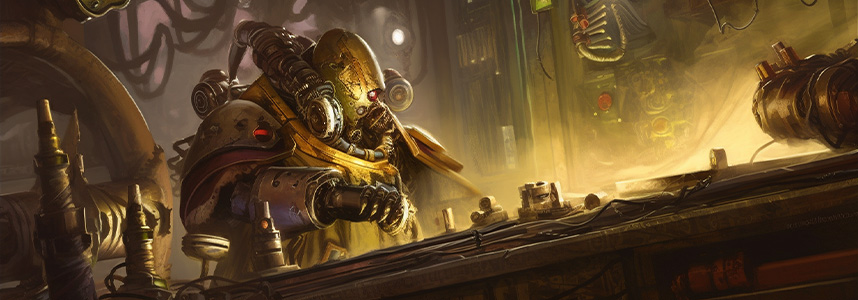
First and foremost, I want to disclose that AI is used on my website as a tool to enhance the content I provide. Specifically, I use AI to assist me with tasks such as proofreading and grammar checking. And more importantly, I sometimes use AI to improve my articles and to create images to embellish them.
Pros and Cons and Meh
There are undoubtedly many benefits to using AI in content creation. One of the biggest advantages is the speed and efficiency it provides. AI can quickly process and analyse vast amounts of data, which can be particularly useful to review documents.
AI can also be used to improve the quality of content. For example, it can be used to fix spelling mistakes or rewrite whole paragraphs to avoid ambiguity and make sure that what you want to say is conveyed correctly.
However, there are also some drawbacks to using AI in content creation. One of the main concerns is that it can lead to a decrease in the diversity and creativity of content. If AI is used too heavily, there is a risk that all content will start to look and feel the same, as not everyone is keen to put effort in their work. And it has already started.
Another concern is the high tendency for bias and echo chambers. AI algorithms are only as good as the data they are trained on, and as that data is biased in essence, then the AI produces biased results. This is particularly concerning regarding factual information.
Furthermore, the use of AI in content creation lead to job losses as companies switch their focus on AI and cut corners on other areas. In addition, as AI technology continues to advance, some companies choose to use AI to create content rather than hiring human writers, editors, and designers.
In addition, using copyrighted material without permission to train AI is another concern. AI algorithms learn by analysing large amounts of data, including text, images, and other media. However, much of this data may be copyrighted; using this material without permission could lead to legal issues, particularly if the resulting product is sold commercially.
In Conclusion
AI is undoubtedly changing the way content is created and consumed. While there are some drawbacks to using AI in content creation, I believe that as an individual, the benefits outweigh the risks, and that AI can be a valuable tool in enhancing content and. As I continue to explore the potential of AI, I remain committed to ensuring that my use of this technology aligns with the values and goals of this project. I will continue to review my approach as needed to ensure that my use of this technology is responsible and effective.